Simple Minimalist Home Office Setup Ideas
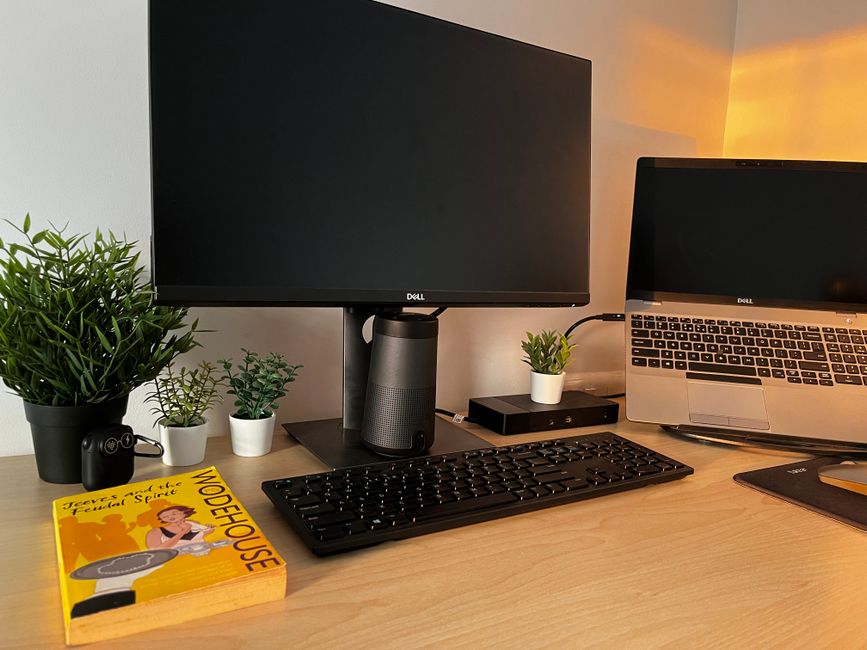
Designing a home office that feels both functional and serene is a goal for many, especially as remote work becomes more common. A minimalist approach can help achieve this by reducing distractions and creating a space that supports concentration and creativity. This article explores practical ideas for setting up a minimalist home office, focusing on essential furniture, smart storage, and intentional design choices.
In the United Kingdom, where homes often have limited space, making the most of every square metre is crucial. A minimalist home office is not about having fewer things for the sake of it; it is about curating a workspace that serves your needs without excess. By prioritising simplicity and functionality, you can create an environment that feels calm and inviting, helping you focus on your tasks.
Whether you are starting from scratch or looking to declutter an existing workspace, these ideas will guide you through the process of creating a minimalist home office that is both practical and aesthetically pleasing.
Core Principles of a Minimalist Home Office
At its core, minimalism in a home office involves a deliberate reduction of visual noise and physical clutter. The goal is to keep only what is necessary for your work and to organise it in a way that is both efficient and unobtrusive. This approach not only helps in maintaining focus but also contributes to a clearer mind. When designing your space, consider the principle of ‘one in, one out’ – for every new item you bring into the office, an old one should be removed. This helps maintain balance and prevents accumulation of unnecessary items.
Another key principle is functionality. Each piece of furniture and storage should serve a purpose. For example, a desk with built-in cable management keeps wires out of sight, while a shelving unit with bins can hide paperwork. By choosing pieces that are both practical and simple, you avoid the need for additional accessories. Additionally, consider the flow of the room – allowing enough space to move freely reduces the feeling of being cramped, which is essential for a productive environment.
Incorporating natural elements can also enhance the minimalist aesthetic. A small plant or a source of natural light can make the space feel more inviting without adding clutter. The focus is on creating a quiet, uncluttered environment where you can work without unnecessary interruptions.
Essential Furniture for a Minimalist Workspace
When selecting furniture for a minimalist home office, quality over quantity is key. A well-designed desk and chair are the foundation of your workspace. Opt for a clean-lined desk with minimal ornamentation, possibly one with built-in storage or a simple shelf. The material should be durable and easy to maintain, such as wood or metal. An ergonomic chair is another essential investment, as comfort directly affects your ability to concentrate. Look for a chair that supports good posture and is adjustable to your needs.
Storage solutions in a minimalist office should be discreet and efficient. Instead of open shelves that display clutter, consider closed cabinets or drawers that keep items out of sight. A filing cabinet that doubles as a side table can be a practical choice. Alternatively, wall-mounted shelves can provide storage without taking up floor space. The idea is to have a designated place for everything, so that surfaces remain clear and neat.
In a small space, consider multifunctional furniture. A desk that folds away or a storage ottoman that serves as extra seating can be very useful. These pieces maximise space without compromising on style. Remember, the aim is to create a space that feels open and airy, so choose furniture that does not visually overwhelm the room.
Smart Storage Solutions to Keep Clutter at Bay
Even in a minimalist workspace, there will be items that need to be stored. The key is to keep these items hidden or neatly organised. Drawer organisers are excellent for keeping small supplies like pens, sticky notes, and cables tidy. Cable management is often a challenge, but using cable trays or clips can keep wires off the floor and out of sight. For documents, a simple filing system with labelled folders can help you stay organised without cluttering your desk.
Consider using vertical space. Wall-mounted pegboards or magnetic boards can hold tools and accessories, freeing up desk space. Baskets and bins on shelves can group similar items together, but make sure they are closed containers to avoid visual clutter. Another idea is to use a rolling cart that can be tucked under the desk when not in use, providing extra storage that is easily accessible.
Digital clutter is also part of the equation. Minimising the number of physical items can be complemented by keeping your digital files organised. This reduces the need for excessive physical storage. By combining efficient physical storage with a tidy digital workspace, you create a holistic minimalist environment that supports focus.
Creating a Calm and Focused Atmosphere
Beyond furniture and storage, the atmosphere of your home office plays a significant role in your ability to focus and think creatively. Colours have a psychological impact; neutral tones like white, beige, and soft grey can create a sense of calm and openness. You can add subtle accents through artwork or textiles but keep them minimal. Lighting is another crucial factor. Natural light is ideal, so position your desk near a window if possible. In the evenings, use a desk lamp with warm light to reduce eye strain.
Noise can be a distraction in a home environment. If you cannot eliminate noise, consider using sound-absorbing materials like rugs or curtains. Some people find that soft background music or white noise helps them concentrate, but this is a personal preference. The overall aim is to create a space that feels tranquil and conducive to work.
Personal touches can make the space feel yours, but in a minimalist approach, they should be curated. A single piece of art or a photograph can add personality without creating visual clutter. Plants are also a great addition, as they bring a touch of nature indoors and can improve air quality. The key is to include only what brings you joy or serves a purpose, avoiding the tendency to fill every surface.
Maintaining Your Minimalist Home Office
Once your minimalist home office is set up, maintaining it requires consistent habits. Set aside a few minutes each day to tidy your desk, putting away items that have been left out. This prevents clutter from building up over time. At the end of each week, go through your paper and digital files, discarding or archiving what is no longer needed. This regular cleaning helps maintain the minimalist aesthetic and ensures that the space remains functional.
It is also important to periodically reassess your storage and furniture needs. As your work evolves, you may find that certain items become unnecessary or that you need more storage. Be open to making small adjustments to keep your workspace aligned with your needs. The principle of minimalism is not static; it adapts to your changing circumstances.
By following these practices, you can ensure that your minimalist home office continues to be a place of focus and creativity. The benefits of a clutter-free workspace extend beyond aesthetics, contributing to a more organised and productive working routine.